The Localized History Project logo
  • Neighborhoods
    • Brooklyn
      • Flatbush
      • Kensington & Midwood
      • Sheepshead Bay
      • Sunset Park
    • Manhattan
      • Chinatown
      • Harlem
      • Midtown
      • Seaport
      • Two Bridges
      • Lower East Side
    • Queens
      • Flushing
      • Jackson Heights
      • Elmhurst
      • Richmond Hill
      • Woodside
    • The Bronx
      • Fordham & Kingsbridge
      • South Bronx
    • Staten Island
      • Tompkinsville
  • About
  • Events
  • Exhibits
  • Archive
    • Primary Source Items
    • Collections
      • Zines
      • Walking Tours
      • Oral Histories
  • Teaching Tools
    • For Teachers
    • Research Guides
/
View all results
  1. Home
  2. Browse Exhibits
  3. Behind Hospital Doors: The Systems That Shaped Filipino Nurse Migration

Preparing your PDF

Loading page and media…

The Localized History Project Behind Hospital Doors: The Systems That Shaped Filipino Nurse Migration
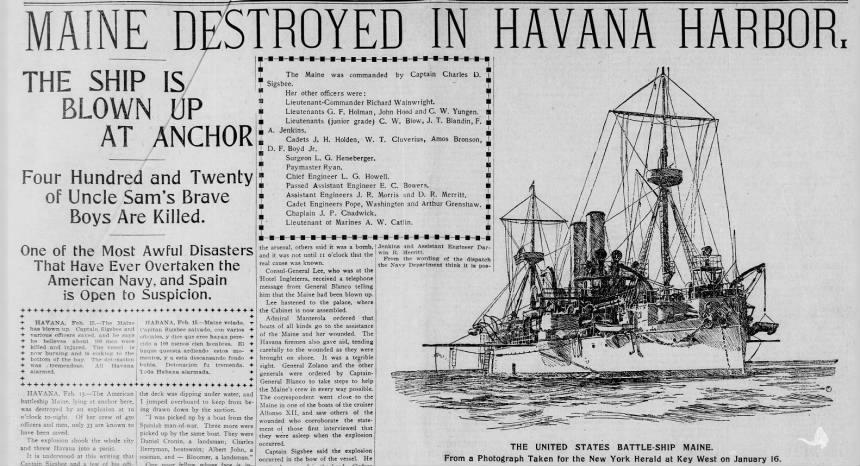
drawing and article of uss maine
A newspaper article covering the sinking of the USS Maine, stating that the incident killed over four hundred US soldiers and that “Spain is Open to Suspicion.”

The San Francisco Call Bulletin. February 16, 1898. Public domain.

https://localizedhistoryproject.org/exhibits/behind-hospital-doors-systems-shaped-filipino-nurse-migration
The Localized History Project Behind Hospital Doors: The Systems That Shaped Filipino Nurse Migration
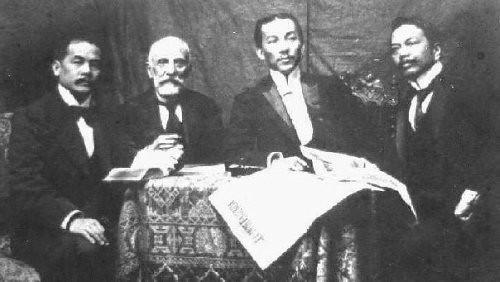
four filipino diplomats seated at table with historic document
Filipino diplomats in Paris, France, around the time of the signing the Treaty of Paris, c. 1898-99.

Photographer unknown. 1898-1899. Public domain.

https://localizedhistoryproject.org/exhibits/behind-hospital-doors-systems-shaped-filipino-nurse-migration
The Localized History Project Behind Hospital Doors: The Systems That Shaped Filipino Nurse Migration
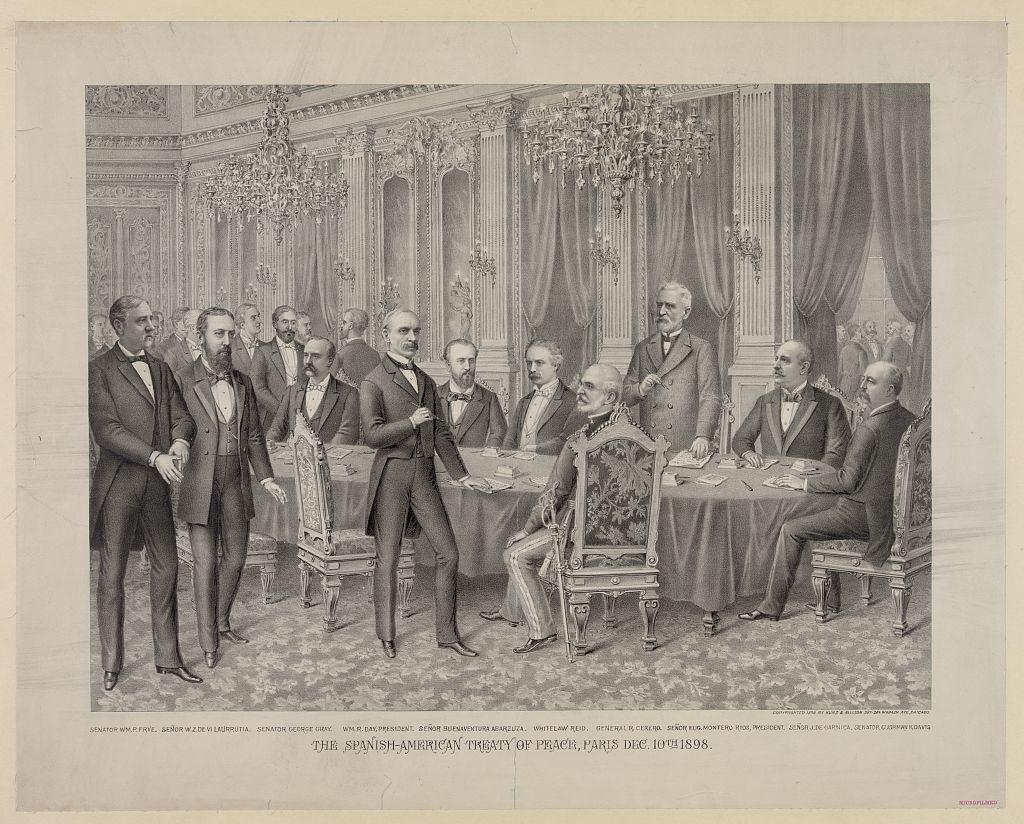
negotiating the spanish american peace treaty
Politicians and military officials — from all appearances, all white — sign the negotiated peace treaty between Spain and the United States, which transferred the Spanish colonial territories of Guam, Puerto Rico, and the Philippines to the US.

Kurz & Allison. 1898-12-10. Public domain.

https://localizedhistoryproject.org/exhibits/behind-hospital-doors-systems-shaped-filipino-nurse-migration
The Localized History Project Behind Hospital Doors: The Systems That Shaped Filipino Nurse Migration
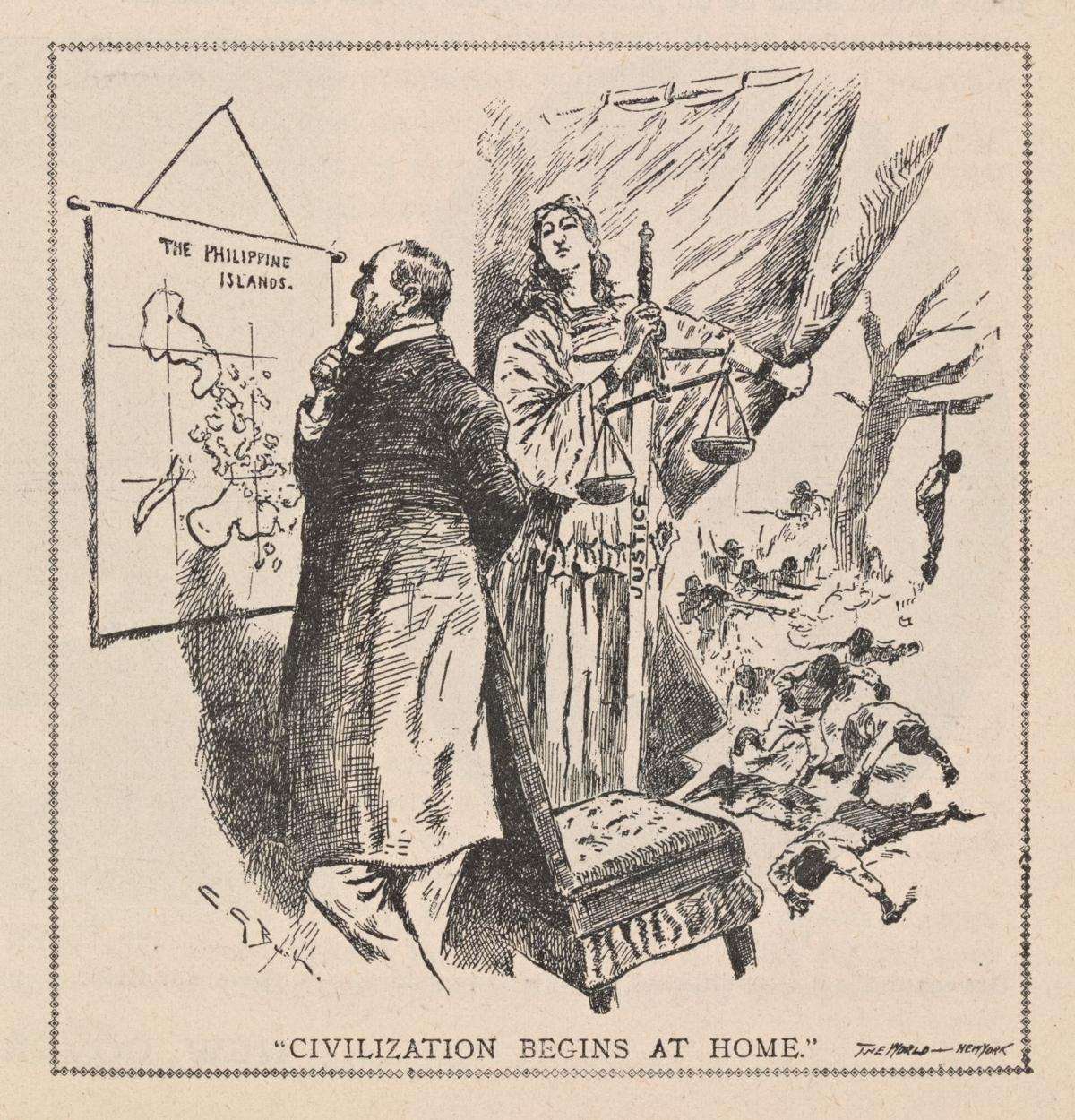
civilization begins at home political cartoon philippines
A political cartoon satirizing American President William McKinley’s policy of “benevolent assimilation.” The cartoon mocks McKinley’s hypocritical declaration of the United States as a “civilizing influence” over the Philippines, while the curtain of justice reveals the rot of American racism in the background.

Charles Bush Green. Funk & Wagnalls, 1890-03-01. Public domain.

https://localizedhistoryproject.org/exhibits/behind-hospital-doors-systems-shaped-filipino-nurse-migration
The Localized History Project Behind Hospital Doors: The Systems That Shaped Filipino Nurse Migration
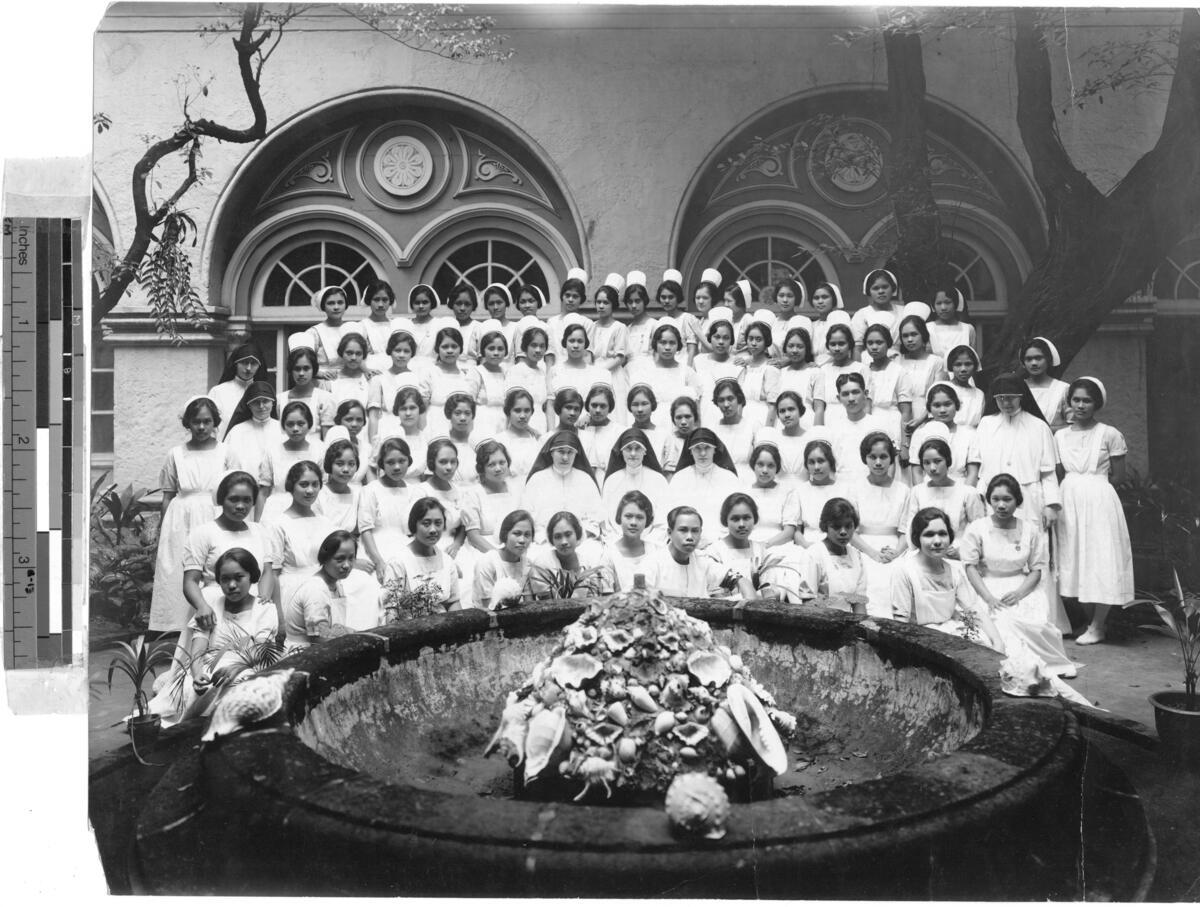
group photo filipino nurses at missionary nurse school
A group portrait of the St. Paul’s Hospital nursing school student body, Manila, Philippines, November 1927.

Photographer unknown. Catholic Foreign Mission Society of America, November 1927. All rights reserved by Maryknoll Mission Archives.

https://localizedhistoryproject.org/exhibits/behind-hospital-doors-systems-shaped-filipino-nurse-migration
The Localized History Project Behind Hospital Doors: The Systems That Shaped Filipino Nurse Migration
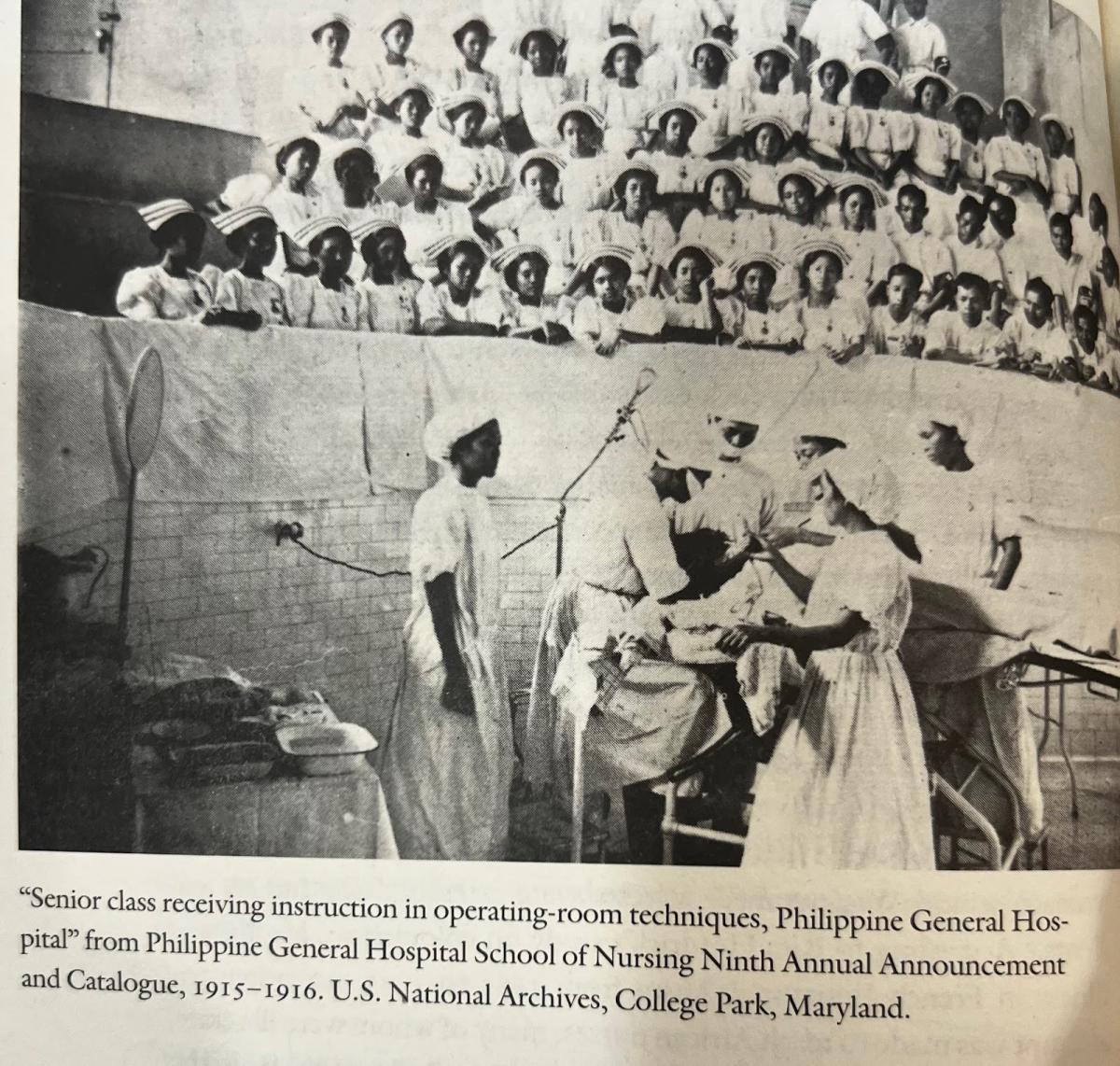
group of nurses observes operating room theater
The senior class at the Philippine General Hospital School of Nursing observes a lesson on operating room techniques, c. 1915-1916.

Philippine General Hospital School of Nursing Ninth Annual Announcement and Catalogue. U.S. National Archives, College Park, Maryland, c. 1915-1916. Fair use.

https://localizedhistoryproject.org/exhibits/behind-hospital-doors-systems-shaped-filipino-nurse-migration
The Localized History Project Behind Hospital Doors: The Systems That Shaped Filipino Nurse Migration
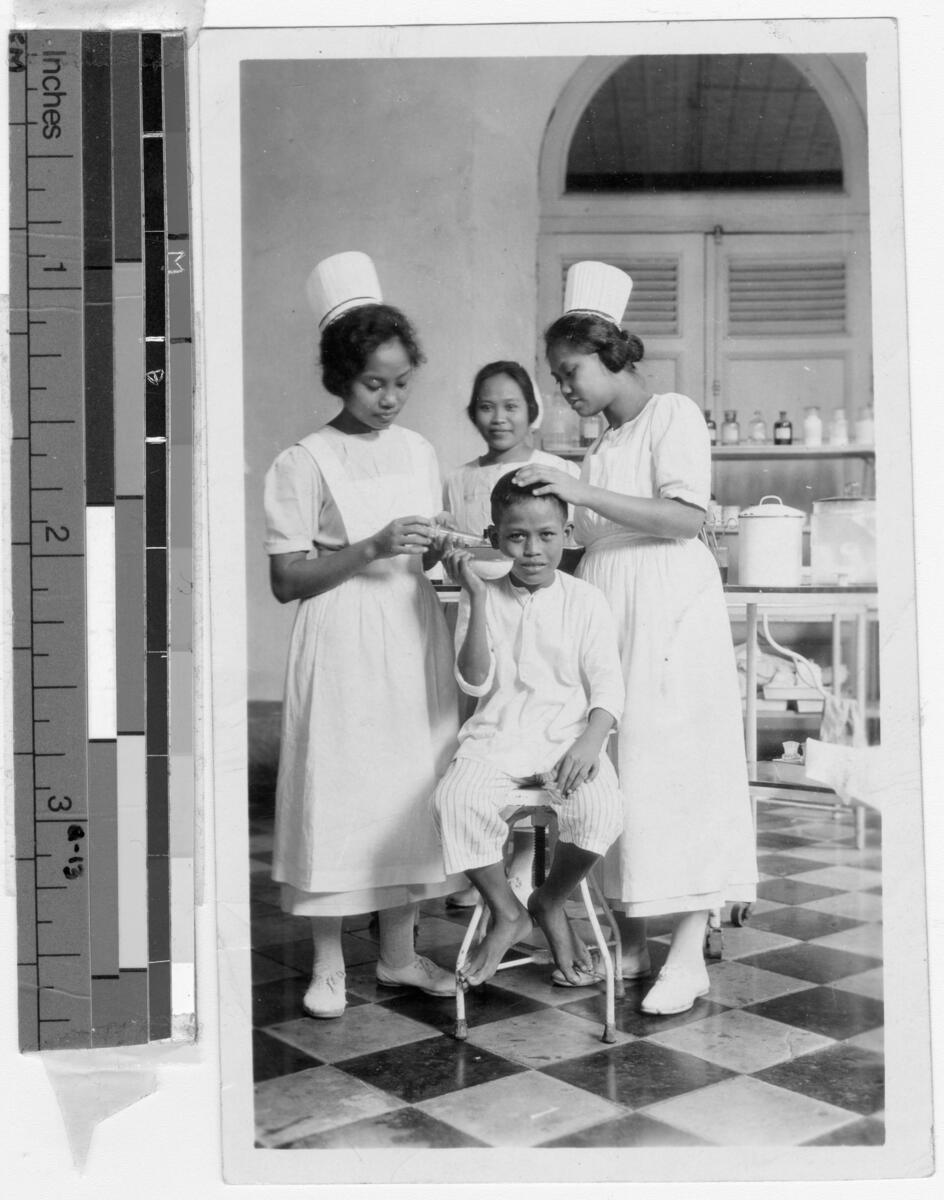
three young filipino nurses and a young boy patient
A Catholic school boy has his ear irrigated by three young nurses at St. Paul’s Hospital, Manila, Philippines, October 31, 1927.

Photographer unknown. Catholic Foreign Mission Society of America, October 31, 1927. All rights reserved by Maryknoll Mission Archives.

https://localizedhistoryproject.org/exhibits/behind-hospital-doors-systems-shaped-filipino-nurse-migration
The Localized History Project Behind Hospital Doors: The Systems That Shaped Filipino Nurse Migration
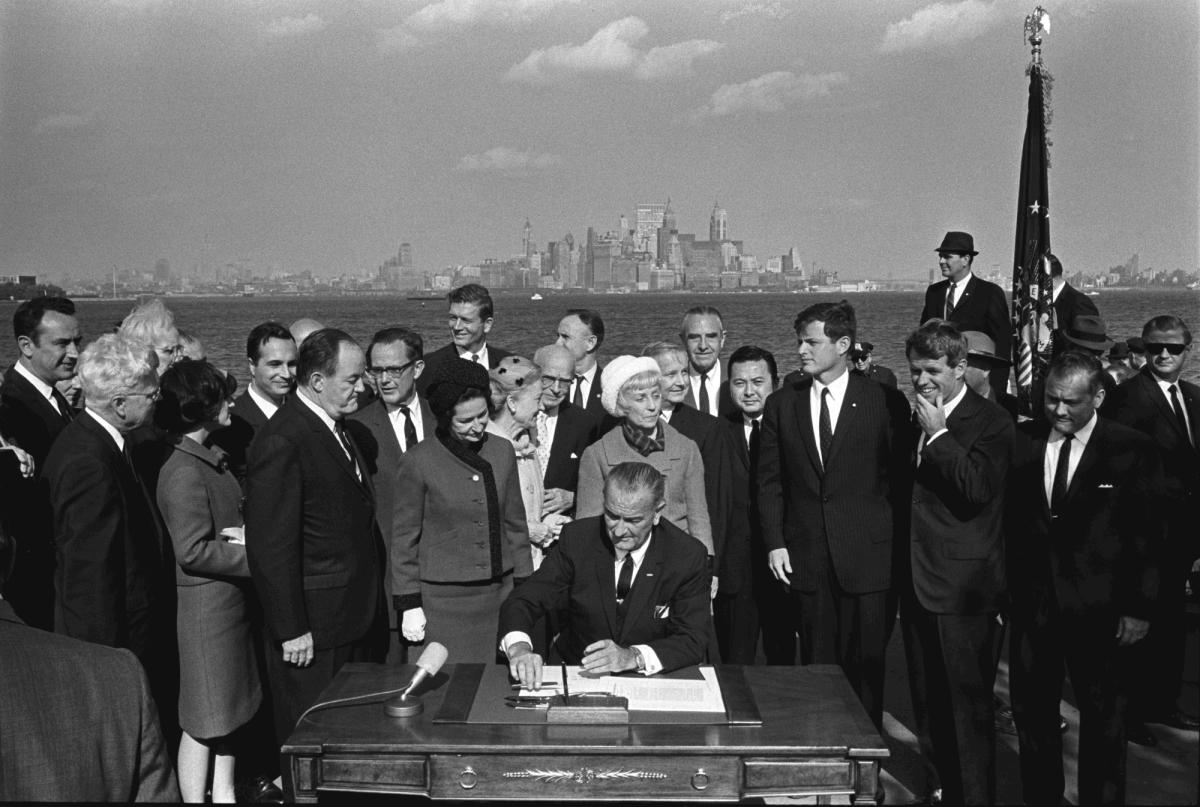
politicians surrounding LBJ new york skyline in background
President Lyndon B. Johnson signs the Immigration and Nationality Act as Vice President Hubert Humphrey, Lady Bird Johnson, Muriel Humphrey, Sen. Edward (Ted) Kennedy, Sen. Robert F. Kennedy, and others look on.

Photo by Yoichi Okamoto. United States Federal Government, October 3, 1965. Public domain.

https://localizedhistoryproject.org/exhibits/behind-hospital-doors-systems-shaped-filipino-nurse-migration
The Localized History Project Behind Hospital Doors: The Systems That Shaped Filipino Nurse Migration
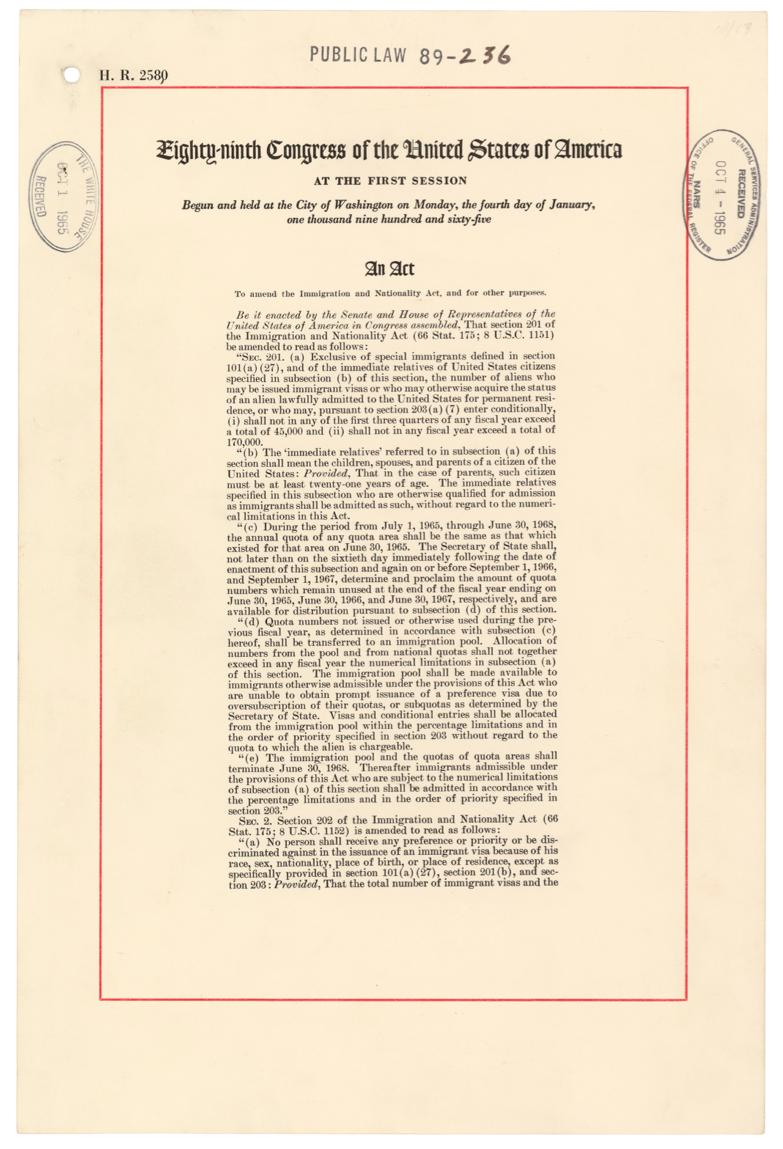
law text
The text of the Immigration and Nationality Act of 1965, which abolished immigration quotas and discrimination against national origin.

United States Congress. Record Group 11: General Records of the United States Government, October 3, 1965. Public domain.

https://localizedhistoryproject.org/exhibits/behind-hospital-doors-systems-shaped-filipino-nurse-migration
The Localized History Project Behind Hospital Doors: The Systems That Shaped Filipino Nurse Migration
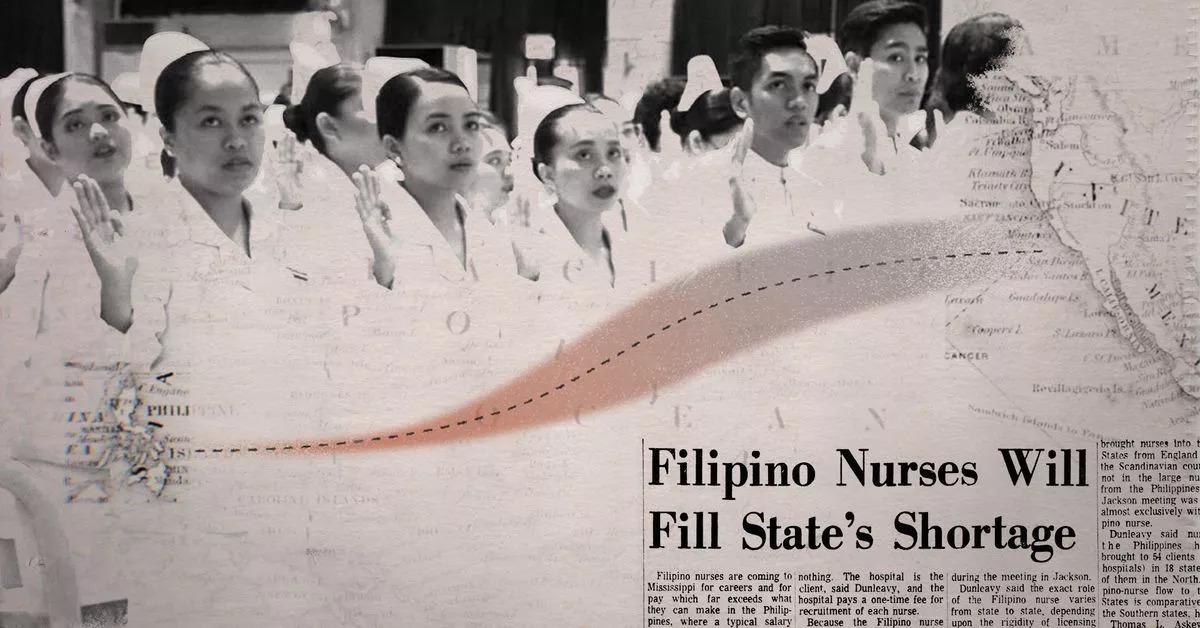
filipino nurses will fill state's shortage
An institutional advertisement, likely from the 1960s-1970s, proclaiming that “Filipino Nurses Will Fill State’s Shortage.”

Original publisher unknown. Included in “Why the US has so many Filipino nurses” (Christina Thornell), Date unknown. Rights unknown.

https://localizedhistoryproject.org/exhibits/behind-hospital-doors-systems-shaped-filipino-nurse-migration
The Localized History Project Behind Hospital Doors: The Systems That Shaped Filipino Nurse Migration
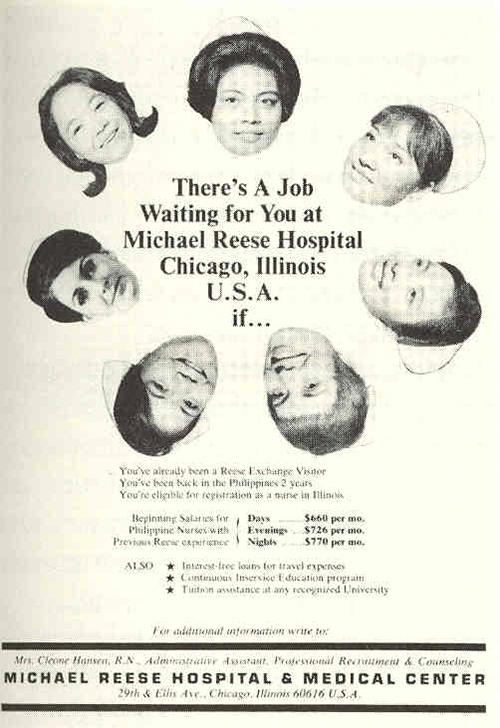
there's a job waiting for you
In an ad in the 1969 issue of the Philippine Journal of Nursing, Michael Reese Hospital and Medical Center urges its former exchange visitor nurses from the Philippines to return to the United States for permanent employment. The ad also lists starting salaries, hours, and benefits, including tuition remission and paid travel expenses.

Michael Reese Hospital and Medical Center. Image courtesy of Catherine Ceniza Choy, reprinted in “Empire of Care”, 1969. Rights unknown.

https://localizedhistoryproject.org/exhibits/behind-hospital-doors-systems-shaped-filipino-nurse-migration
The Localized History Project Behind Hospital Doors: The Systems That Shaped Filipino Nurse Migration
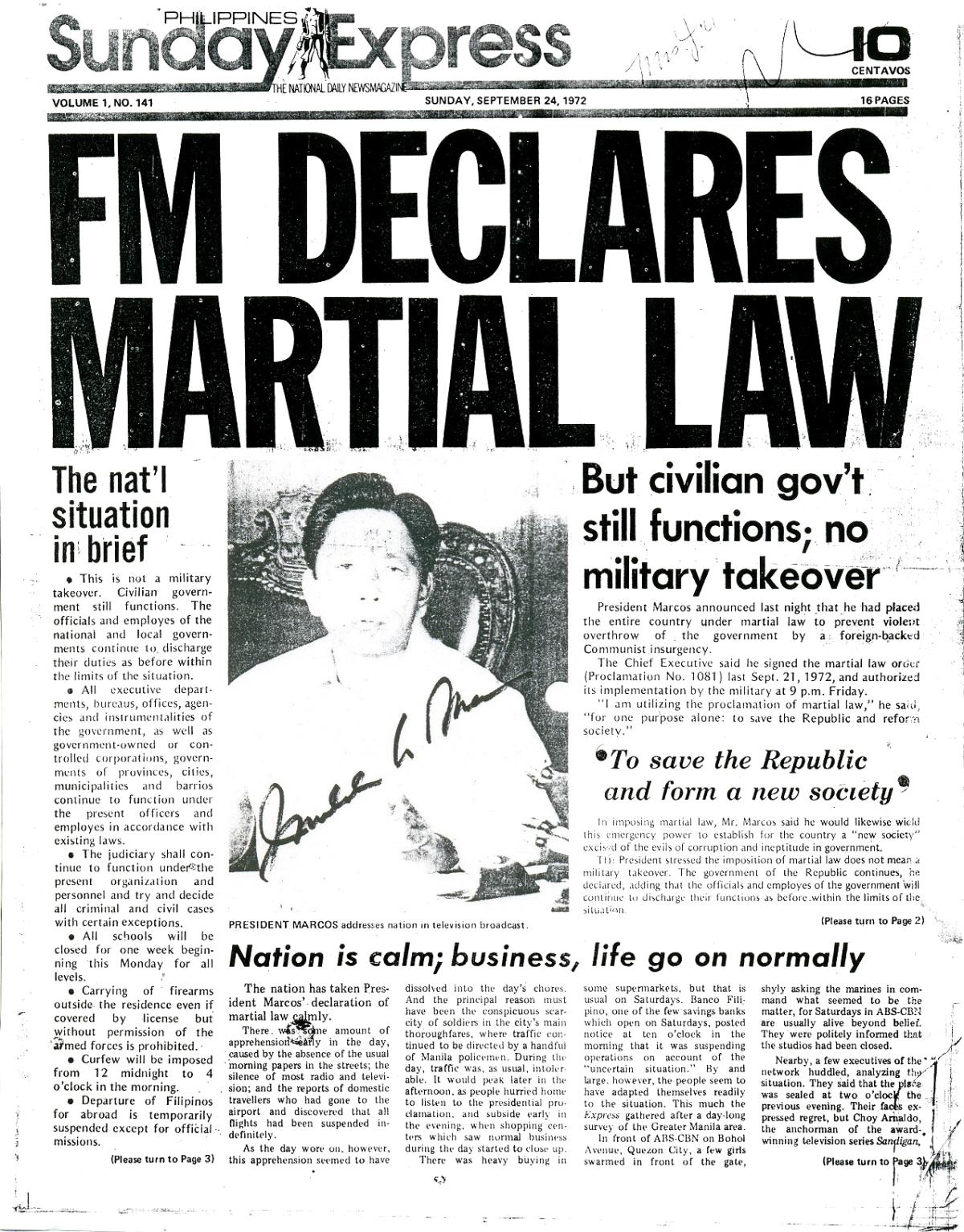
FM declares martial law headline
Newspaper headlines document Ferdinand Marcos’s decision to place the Philippines under martial law in September 1972, allowing Marcos to consolidate his power and form a dictatorship.

Philippines Sunday Express. September 24, 1972. Public domain.

https://localizedhistoryproject.org/exhibits/behind-hospital-doors-systems-shaped-filipino-nurse-migration
The Localized History Project Behind Hospital Doors: The Systems That Shaped Filipino Nurse Migration
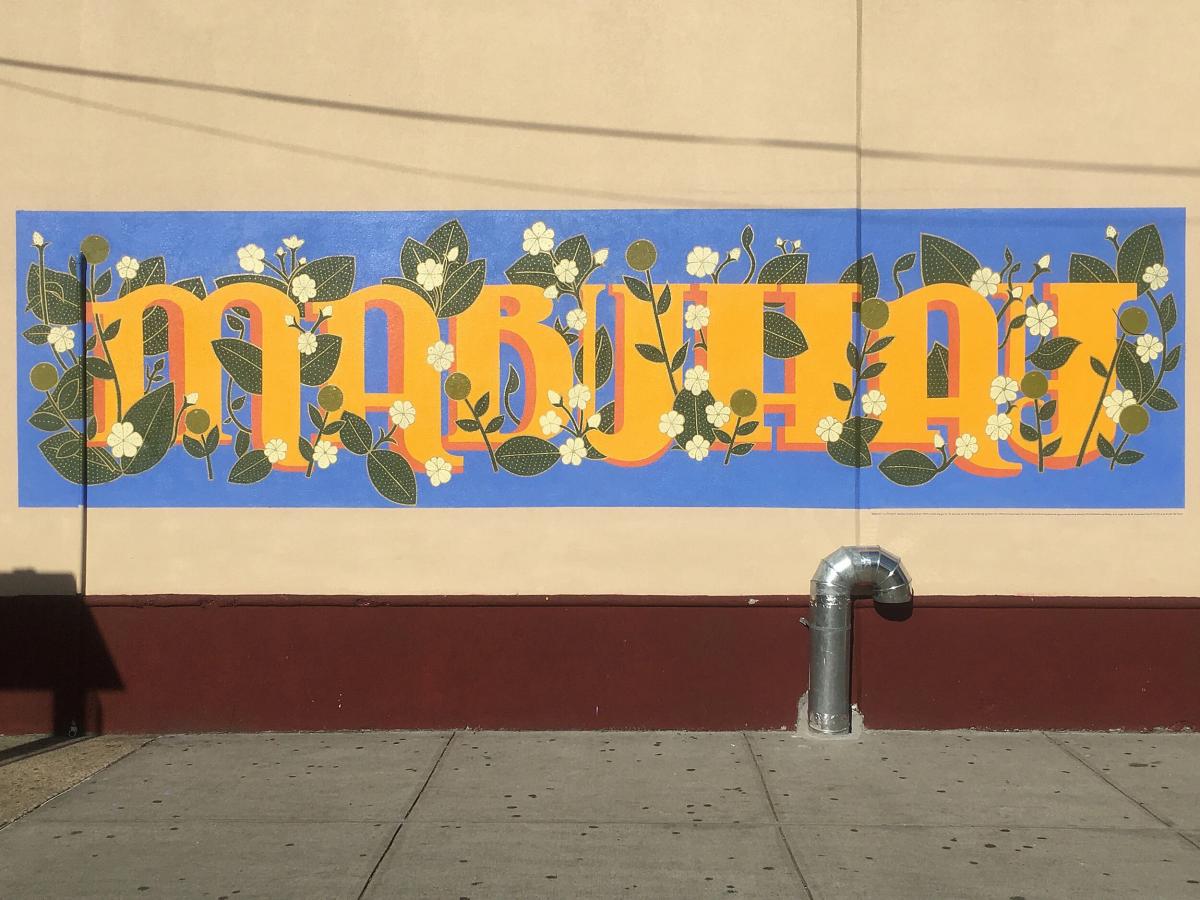
mabuhay floral mural blue and yellow
The Mabuhay mural on 69th Street and Roosevelt Avenue in Queens’ “Little Manila.” The vibrant mural celebrates Filipino art and culture, while also honoring the many Filipino nurses on the front lines of the COVID-19 pandemic.

Jaclyn Reyes, Xenia Diente, Princes Diane De Leon, Hannah Cera, and Ezra Undag. June 12, 2020. Fair use.

https://localizedhistoryproject.org/exhibits/behind-hospital-doors-systems-shaped-filipino-nurse-migration
The Localized History Project

The Localized History Project (LHP) is a New York City Council funded, youth participatory history collective working to bring local Asian American, Native Hawaiian, and Pacific Islander history into K-12 classrooms.

Featured Publication In the News Contact Us
AAARI at CUNY

This non-commercial website showcases student academic work. Some projects include copyrighted material used for educational purposes under Section 107 of the U.S. Copyright Act ("Fair Use"). All rights belong to the original owners, unless otherwise noted. For copyright concerns or removal requests, please contact localizedhistory@aaari.info.